WordPress Alternative: What to Use When You're Done With WordPress
By Carl Riedel — Web Developer, Microsite Mastery Trainer
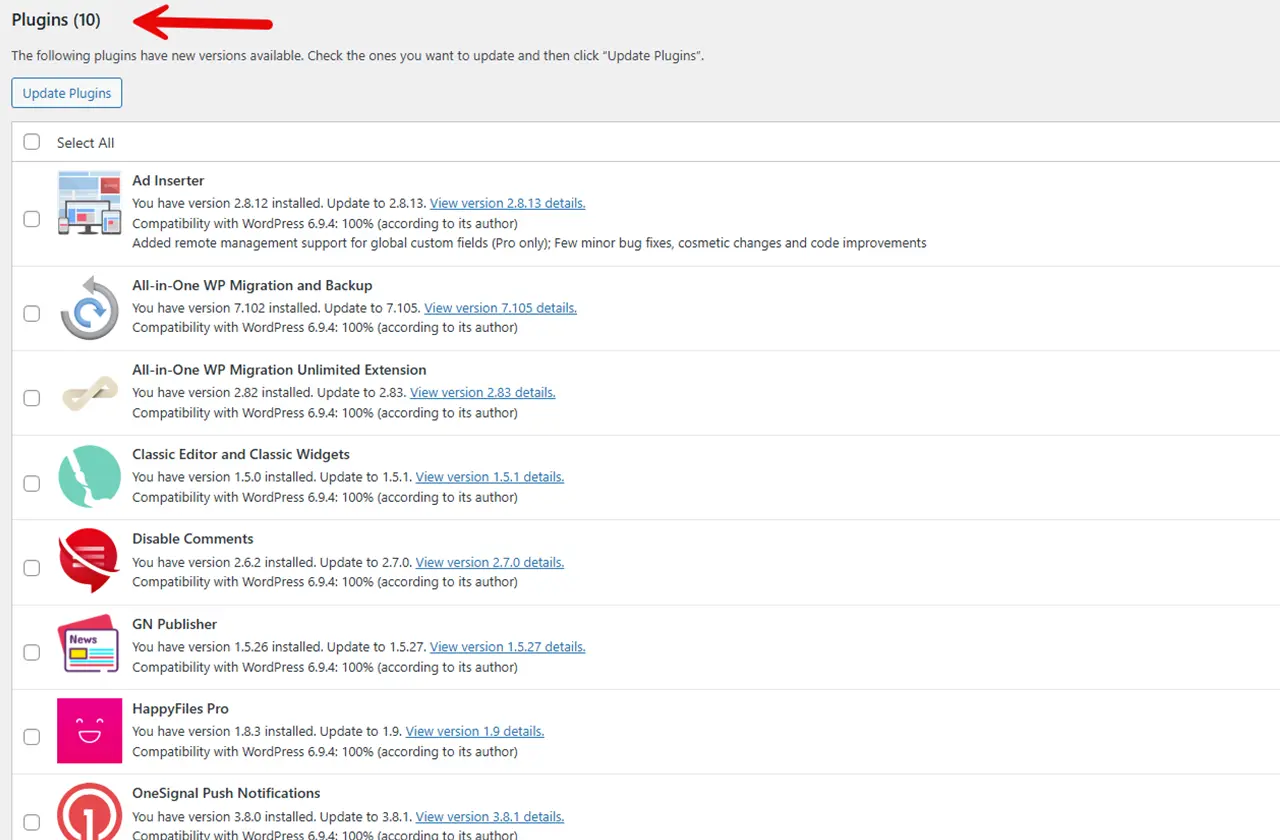
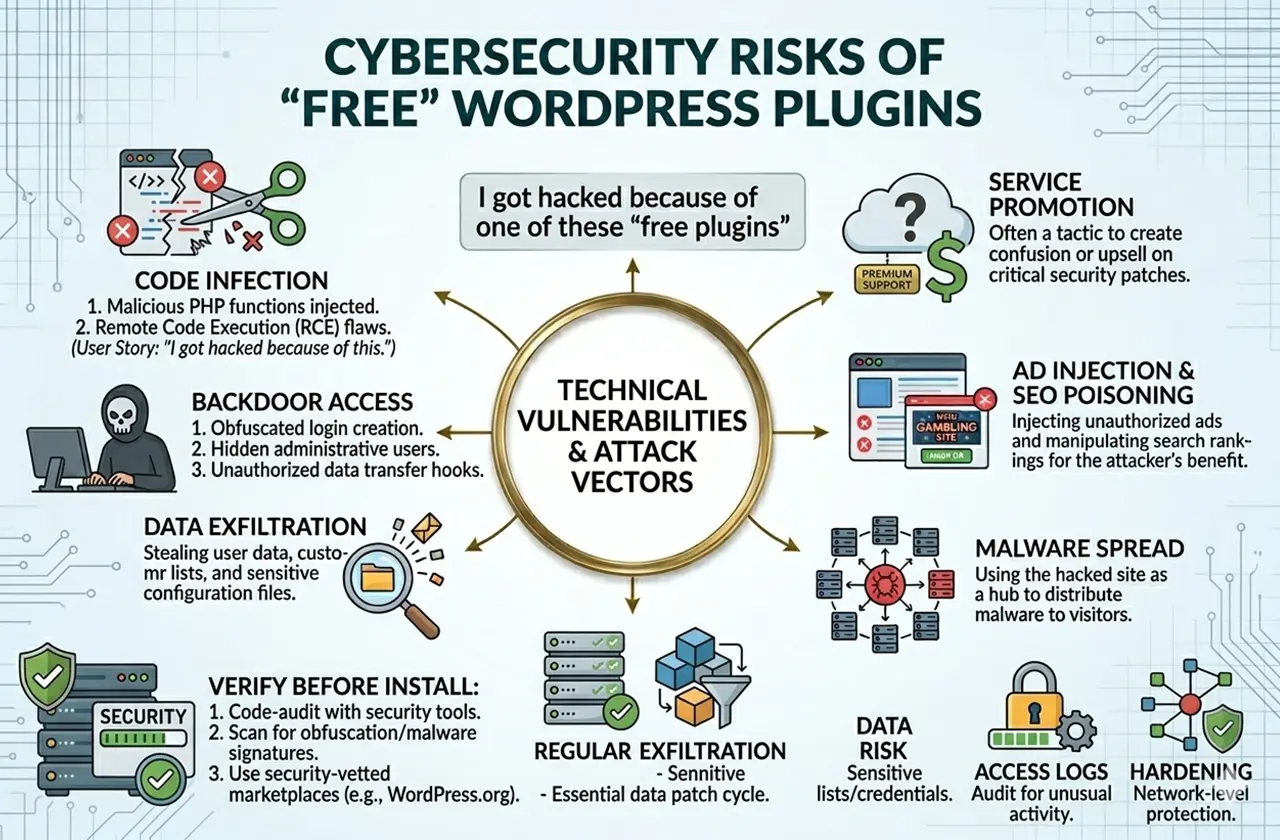
Most people searching for a WordPress alternative have already had the experience. A hacked site, a plugin conflict that broke everything at 2am, a hosting bill that crept up, or just the slow grind of managing a platform that seems to fight you more than it helps.
You don't need to be talked into leaving. You're already there.
What you need is a clear picture of what actually exists beyond WordPress, and what those options cost you in time, money, and control.

The Main Alternatives — and What They're Actually Good For
Static site generators (Jekyll, Hugo, Eleventy) produce fast, secure HTML files. Developers love them. If you're comfortable on the command line and don't need a content editor, they're solid. If you want a non-technical team member to publish a page, good luck.
Website builders (Wix, Squarespace, Webflow) are fine for small brochure sites. You pay monthly, forever. Your content lives on their servers. If they change their pricing, discontinue a plan, or go under, you're rebuilding from scratch. You own the design. You don't own much else.
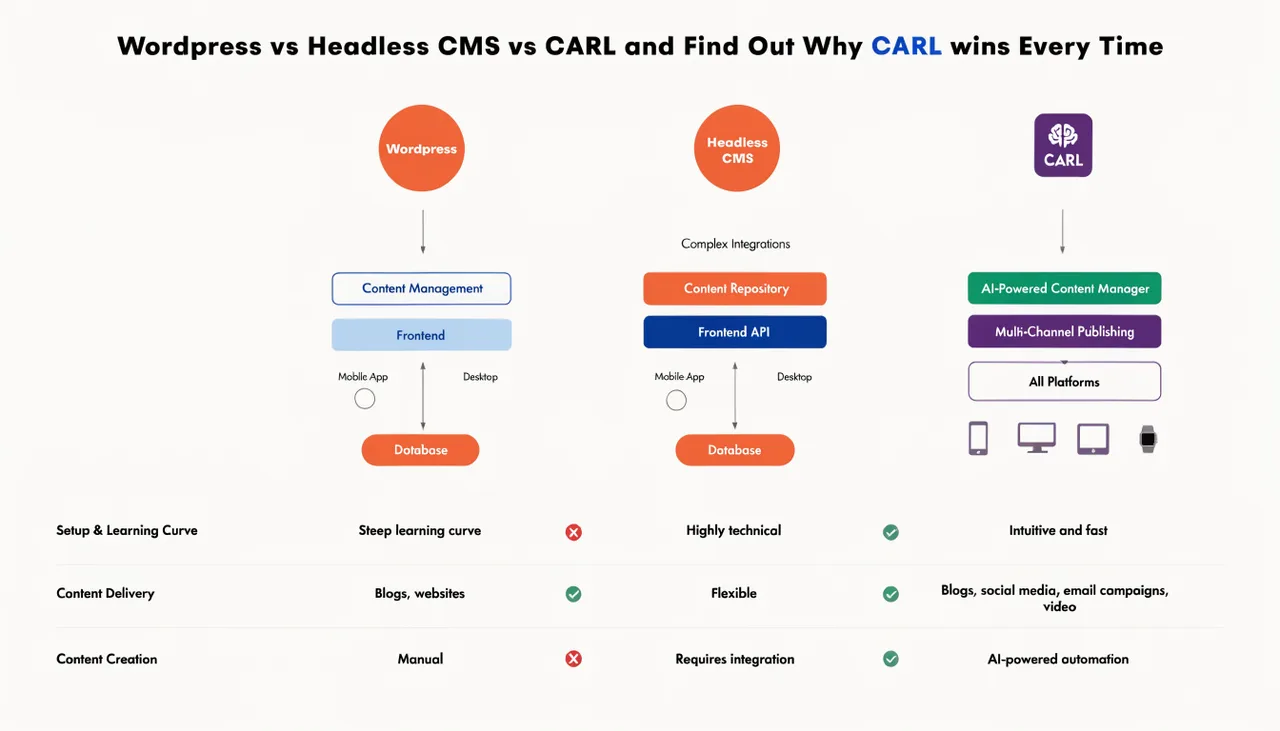
Headless CMS platforms (Contentful, Sanity, Strapi) separate the content layer from the presentation layer. Powerful, flexible, and genuinely useful at scale. Also genuinely complex. You're looking at a developer project, not a solo publishing setup.
Ghost is probably the cleanest WordPress alternative for bloggers and newsletter publishers. Faster, simpler, less bloated. Still a hosted runtime on every page load. Still a subscription fee. Still not your server.
What Most Alternatives Get Wrong
The problem with most WordPress alternatives is that they solve one thing while quietly reintroducing another. Static generators fix security but break content editing. Website builders fix ease of use but introduce platform dependency. SaaS CMSes fix the hosting headache but add a monthly fee that compounds for years.
The question most people forget to ask is: who actually owns the data?
If your content lives in someone else's database, on someone else's servers, accessible through someone else's admin panel — you're a tenant. A well-treated tenant, probably. But a tenant.
What I Built Instead
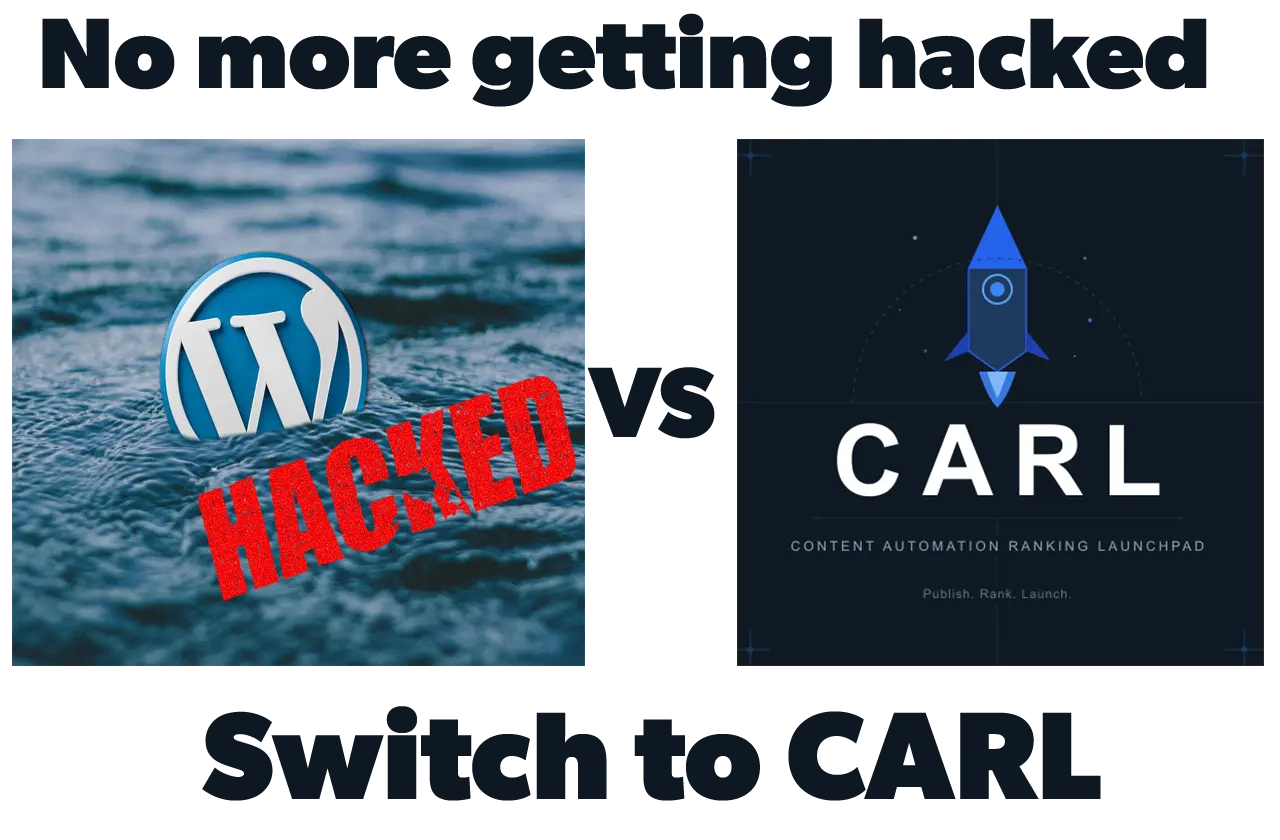
I've been building websites professionally since 2010. I've run WordPress sites, had them hacked (18 at once, same server, one carousel plugin — that story is here), and spent years managing the plugin ecosystem that WordPress requires just to function at a basic level.
In 2024 I started thinking and planning how to build CARL — a PHP CMS that runs on standard shared hosting and generates static PHP files directly to disk. When someone visits a CARL page, the server hands them a pre-built file. There's no database query on page load, no plugin stack executing, no WordPress runtime doing its thing.
The admin panel is a proper CMS — you write content, set your SEO fields, schedule posts, manage subscribers and members, track affiliate links, and generate AI schema. Then you click Generate and the page is written to disk as a clean PHP file.
Everything lives in your database, on your server, under your cPanel account. There's no monthly platform fee beyond your hosting. No third-party developer whose plugin you're trusting with access to your site. One codebase, one developer, direct control.
Who CARL Is Right For
Content publishers who want fast pages, solid SEO, and no plugin drama. Affiliate marketers who need clean link tracking built in. Anyone who's been burned by WordPress and wants a system they actually own.
CARL is probably not right for you if you need a complex e-commerce store, a heavily customized enterprise system, or a team of developers building something bespoke. There are better tools for those jobs.
But if you're running a content site, a lead generation site, an affiliate site, or a membership site — and you want to stop renting your platform and start owning it — CARL is worth a serious look.
The documentation is in the members' area. Free to join.
See how CARL works before you commit to anything.