The Hidden Business Model Behind Free WordPress Plugins
By Carl Riedel — Website Builder, WordPress Survivor
There is a question every WordPress site owner should ask, but almost nobody does:
Why would a developer spend months building a plugin and give it away for free?
Sometimes the answer is genuinely altruistic. Sometimes it's to build a reputation or attract consulting clients. But sometimes — and this is the part that should keep you up at night — the answer is that the plugin itself isn't the product.
Your website is.
How the Scheme Works
Here's a business model that actually exists and has been documented in detail by the WordPress security firm Wordfence.
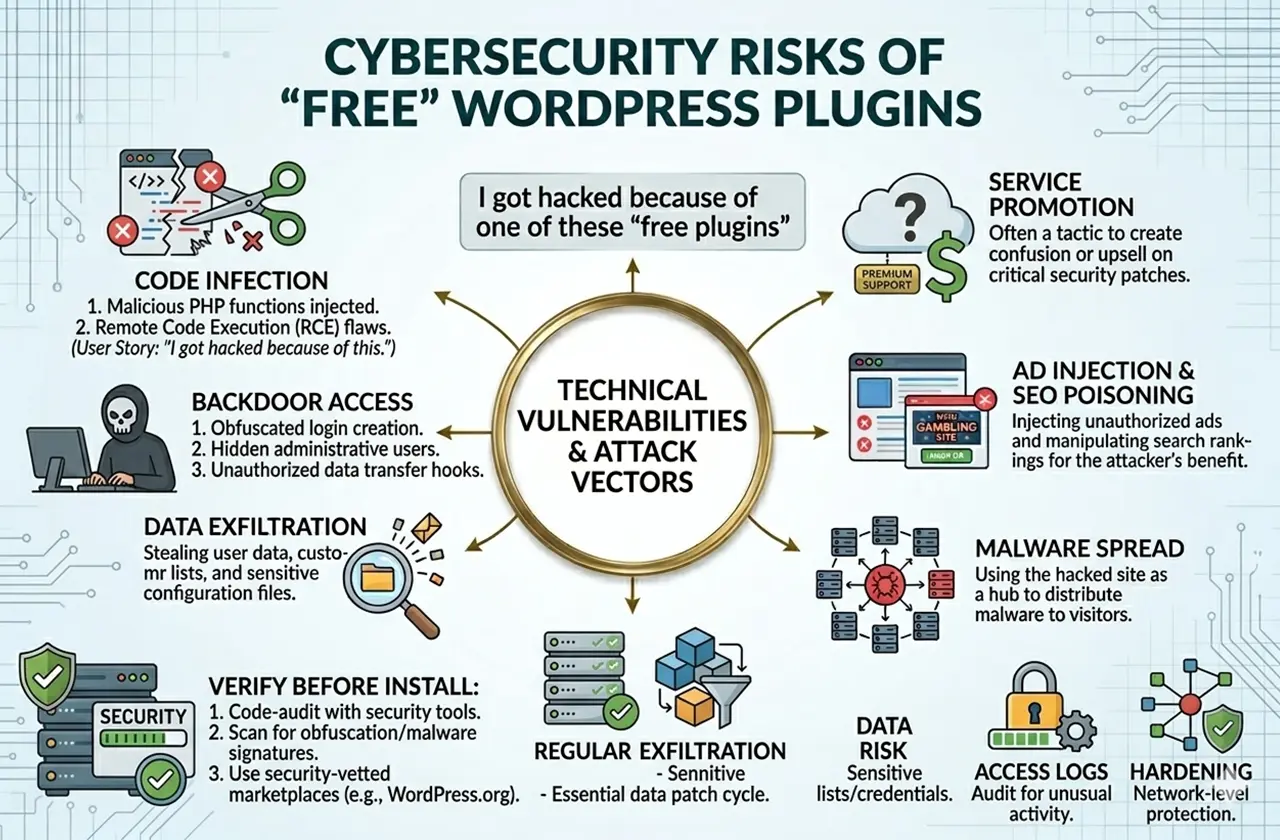
A developer in Pakistan or India builds a useful WordPress plugin — a CAPTCHA, a carousel, a contact form. They publish it on the WordPress repository. Over time, through organic discovery, it accumulates 5,000, 10,000, 20,000 active installations. The developer maintains it, keeps it working, and answers support tickets. It's a legitimate, useful plugin.
Then someone approaches them with an offer to buy it.
To a developer earning local wages, being offered £1,000 to £3,000 for a free plugin they built in their spare time feels like an extraordinary windfall. They accept immediately. The transaction looks completely normal — plugin acquisitions happen all the time in the WordPress ecosystem.
What happens next is where it gets criminal.
The Weaponized Update
Once the buyer controls the plugin, they push an update through the official WordPress repository. To the average site owner, an update notification is a good thing — you're supposed to keep plugins updated. Security experts tell you this constantly.
But this update contains a backdoor.
In December 2017, Wordfence documented exactly this happening with the Captcha plugin, which had over 300,000 active installations at the time. The update contained code that allowed the new owner to silently gain administrative access to every site running the plugin. The backdoor would then delete itself, leaving no trace it had ever been there.
In this particular case, the goal was invisible backlinks — hidden links injected into victims' sites pointing to the attacker's own properties, artificially boosting their search engine rankings. Site owners had no idea. Their sites kept working normally. Their visitors saw nothing wrong.
The attacker was getting free SEO at the expense of hundreds of thousands of unwitting website owners.
You can read Wordfence's full technical breakdown here: Backdoor in Captcha Plugin Affects 300K WordPress Sites.
This Is Not a Rare Edge Case
The Captcha case was caught and documented. Most aren't.
The WordPress plugin repository contains over 60,000 plugins. The review process for updates is not comprehensive. A malicious update can go live and reach hundreds of thousands of sites before anyone notices something is wrong — if they ever notice at all.
The attack surface is enormous and it grows every time you install another plugin.
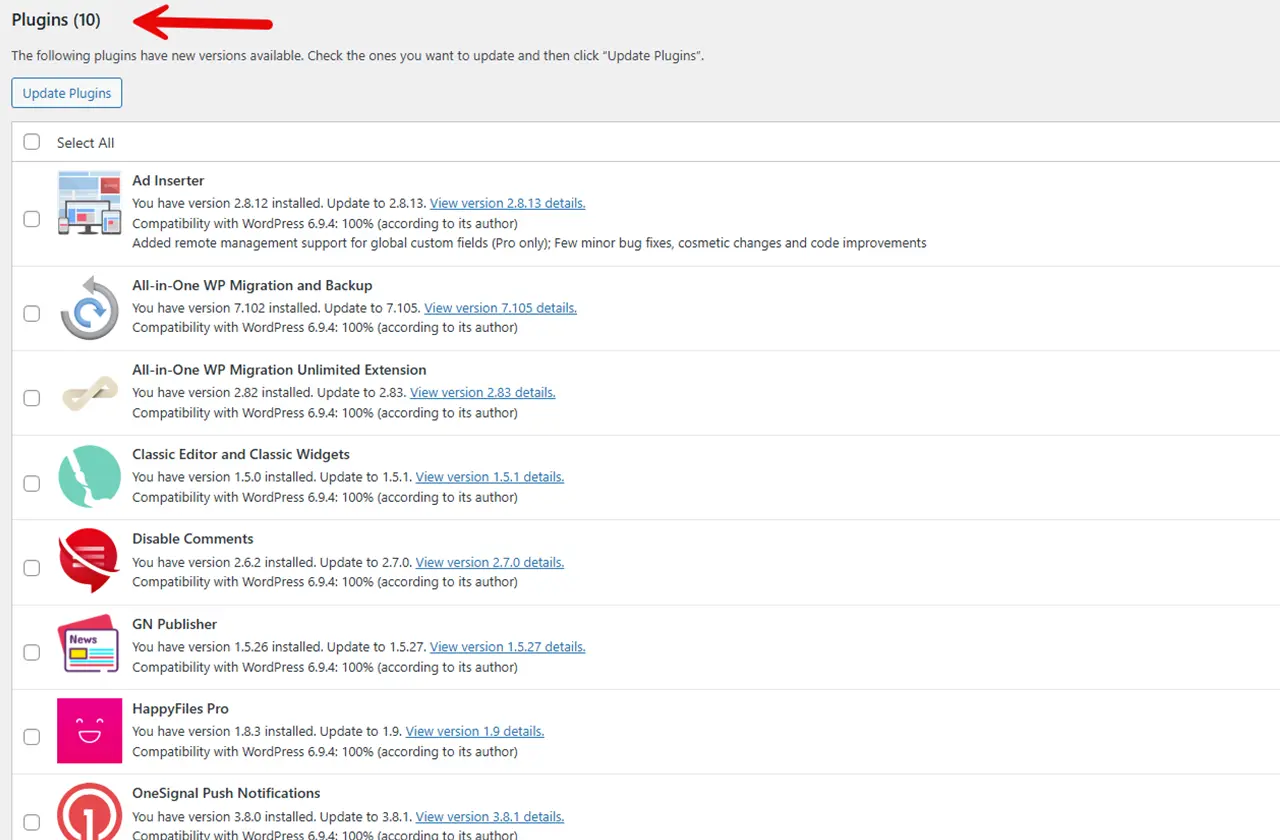
Think about what the average WordPress site is running: a theme framework, a page builder, an SEO plugin, a caching plugin, a contact form plugin, a backup plugin, a security plugin, a CAPTCHA. That's eight separate codebases from eight separate developers, each with their own update pipeline, each representing a potential acquisition target for someone with the right business model.
You are trusting eight strangers — whose identity, location, and financial circumstances you know nothing about — with administrative access to your website.
What Happened to Me
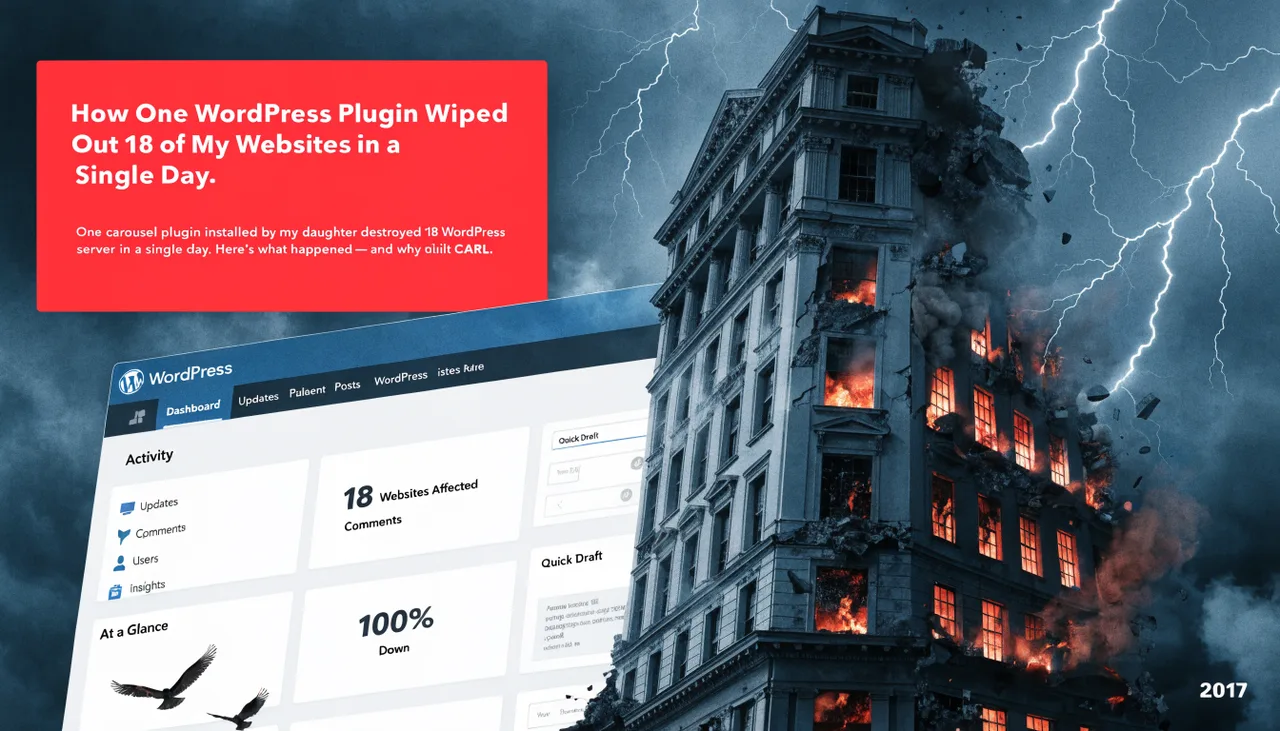
In 2017, I had 18 WordPress sites on a single server. One of them had a carousel plugin installed — the kind of lightweight, harmless-looking plugin that gets installed without a second thought.
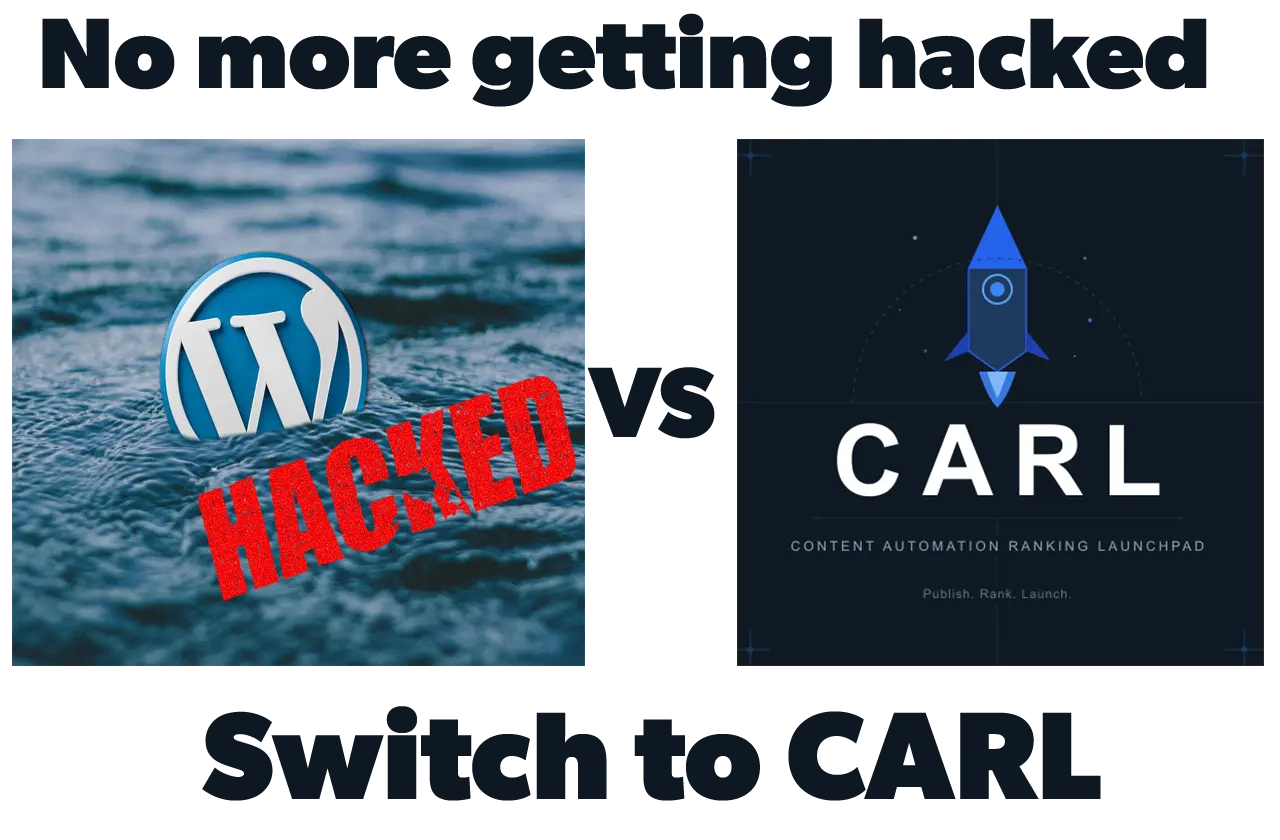
That plugin was the open door. All 18 sites were compromised in a single attack. My hosting provider sent a Cease and Desist because the hacked sites were sending spam at a volume the registrar had flagged. I deleted everything and took two weeks off to recover.
I never touched WordPress again after that.
CARL Has No Plugins
This is not a feature I added as an afterthought. It's the entire point.
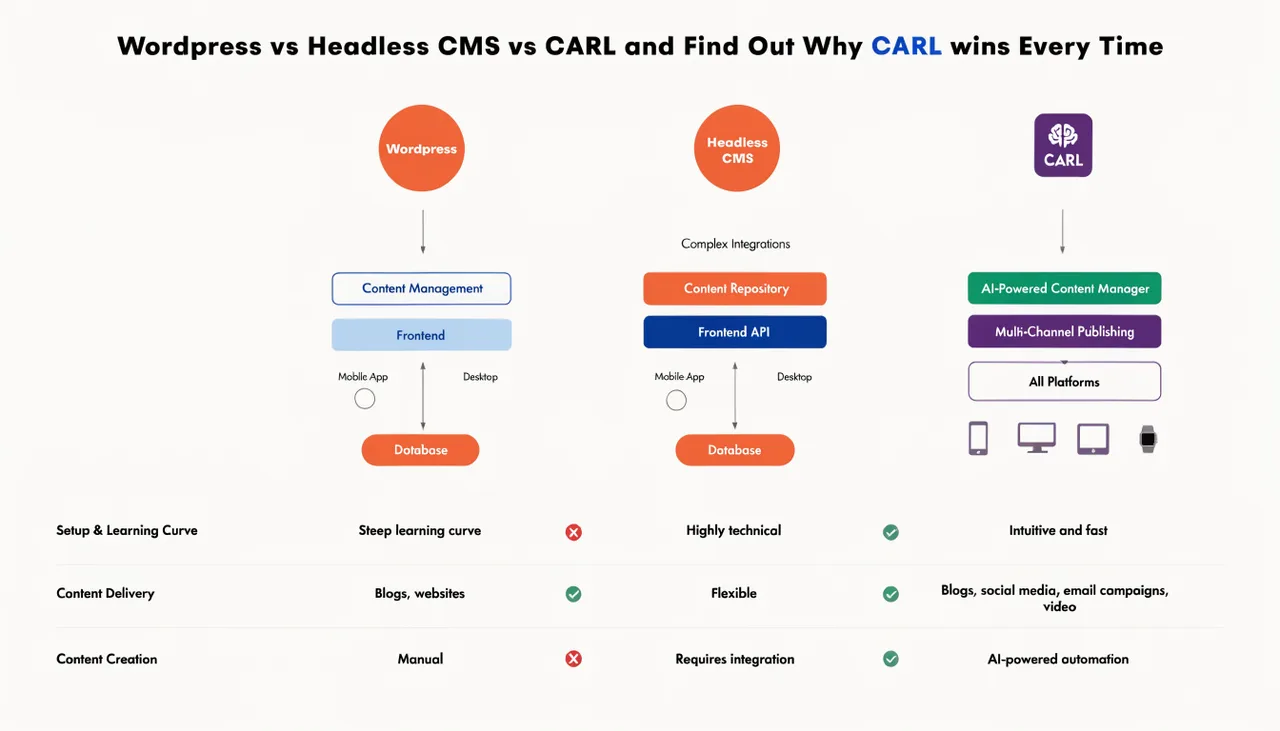
CARL generates static PHP files and writes them directly to your server. There is no plugin ecosystem. There is no update pipeline from unknown third-party developers. There is no WordPress repository with 60,000 codebases of varying quality and ownership.
Every line of code running on a CARL site was written by one person — me — and is under my direct control. There are no acquisitions, no weaponized updates, no silent backdoors hiding in a carousel plugin your daughter installed for a university project.
When someone asks me why I built CARL without a plugin system, this is the answer.
Want to build a site with no plugin vulnerabilities, no third-party update pipelines, and no attack surface for opportunistic buyers?